Short answer
Three small items, three very different jobs. Zafran (saffron) is the most expensive dry item per gram in Pakistan — Rs 1,050 for just 1 gram — used a pinch at a time for colour and aroma in biryani, kheer and kahwa. Soghi (desi kishmish) is the everyday desi raisin — Rs 600 for 250g — eaten as a snack and mixed into desserts and panjiri. Aseel dates are soft Sindh dates — listed at Rs 230 for 250g, but currently out of stock at the time of writing, so check the live page before you try to order. All three prices were checked on the live store on 27 October 2026. This guide explains what each one is, how to use it, and how to buy the real thing.
Zafran (saffron): the pinch-at-a-time spice
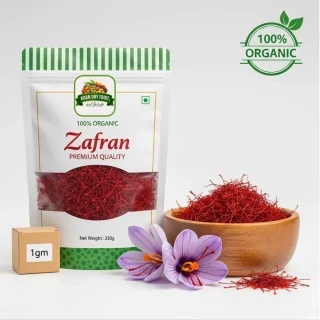
Zafran is saffron — in English "saffron", in Urdu زعفران, also called kesar. It is the dried stigma of the saffron crocus flower, and each flower gives only three threads, which is why a single gram costs Rs 1,050. Nobody eats zafran by the spoonful: a pinch (about 20–30 threads) is enough for a full pot of biryani or a litre of kheer.
How to use it: Soak a pinch in 2–3 tablespoons of warm milk or warm water for 15–20 minutes until the liquid turns deep golden, then stir the liquid into the dish near the end of cooking. Dry threads sprinkled straight into food give colour in patches; soaking spreads the colour and aroma evenly. Store the tiny pack in a cool, dark, airtight container — light and air fade it fast.
How to buy pure zafran: Real saffron threads are deep red with slightly orange tips, dry and brittle, with a strong honey-like smell. If the threads are uniformly bright red, oddly soft, or very cheap per gram, be careful — dyed lookalikes exist. Buy the 1gm pack from a shop that shows the actual pack photo and names the weight plainly. One gram lasts a household weeks because the per-dish amount is so small.
What it costs: Rs 1,050 for 1gm (checked 27 October 2026). There is no cheaper honest price for pure saffron — a much lower price is the warning sign, not a bargain.
Soghi (desi kishmish): the everyday raisin
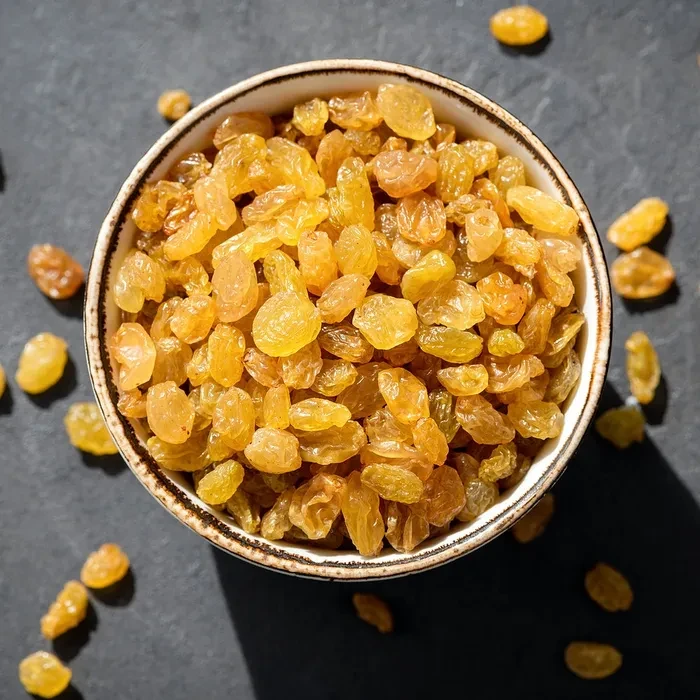
Soghi is desi kishmish — sun-dried desi grapes, sold as "desi kishmish / soghi, desi mewa". It is darker, smaller and tangier than golden sundarkhani kishmish, and it is the raisin most Pakistani households grew up with: in panjiri, in kheer and zarda, in nimko mixes, and straight from the packet as a snack.
How to use it: Rinse briefly and eat as is, or soak for 20–30 minutes if you want it plump for desserts. For panjiri, it goes in with the nuts and seeds after frying. For a child's lunchbox, a small handful with roasted chana is the classic pairing. Store in an airtight jar in a cool place; in summer, the fridge keeps it from going sticky.
Soghi vs kishmish — is there a difference? In shop language, "soghi" usually means the desi sun-dried raisin, while "kishmish" on its own often means the golden or green seedless raisin. They are both dried grapes, but the taste, colour and price differ. If a recipe says soghi, buy the pack labelled soghi/desi kishmish — the golden kind will taste different in the same dish.
What it costs: Rs 600 for 250g (checked 27 October 2026).
Aseel dates: soft Sindh dates (check stock first)
Aseel dates are a soft, dark, honey-sweet date variety from Sindh, sold as "aseel khajoor". They are softer and stickier than muzafati dates, with thin skin and a caramel-like taste. People eat them as is with tea, stuff them with nuts, chop them into desserts, and use them in date-and-nut energy bites.
Stock warning, stated plainly: Aseel dates 250g are listed at Rs 230, but the page showed out-of-stock when this guide was written (27 October 2026). Do not order expecting immediate dispatch — check the live product page first, and if it is back in stock, the Rs 230 price is the listed one. This guide exists so the information is ready when stock returns.
How to use them: Eat as is, or pit and stuff with a walnut or almond half. For desserts, chop and fold into kheer, cakes or energy balls — their softness means they blend easily without soaking. Keep in an airtight container in a cool place; in warm weather, refrigerate after opening.
Which one should you buy?
| If you want… | Buy | Price (27 Oct 2026) |
|---|---|---|
| Colour and aroma for biryani/kheer | Zafran 1gm | Rs 1,050 |
| An everyday raisin for snacks and desserts | Soghi 250g | Rs 600 |
| Soft, sweet dates for tea and desserts | Aseel dates 250g | Rs 230 (out of stock — check first) |
Delivery is free on orders above Rs 5,000, and cash on delivery is available across Pakistan. Because zafran is so light, it is often worth adding it to a larger dry-fruit order rather than ordering the 1gm pack alone.
Frequently asked questions
What is zafran in English? Saffron (also called kesar). It is the dried stigma of the saffron crocus, sold by the gram.
What is the price of zafran in Pakistan? Rs 1,050 for 1gm at Khan Dry Fruits (checked 27 October 2026). A pinch per dish is enough, so one gram lasts weeks.
What is soghi? Desi kishmish — sun-dried desi grapes. Darker and tangier than golden kishmish. Rs 600 for 250g.
What is the price of aseel dates in Pakistan? Listed at Rs 230 for 250g, but out of stock when this guide was written. Check the live page before ordering.
Which is the most expensive dry fruit in Pakistan? Per gram, zafran (saffron). Per kilo, chilgoza (pine nuts) is the dearest nut. Both are sold by Khan Dry Fruits.
How do I store zafran? Cool, dark and airtight. Light and air fade its colour and aroma quickly — keep the tiny pack sealed and away from the stove.